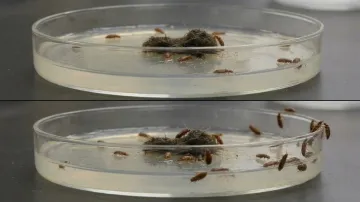
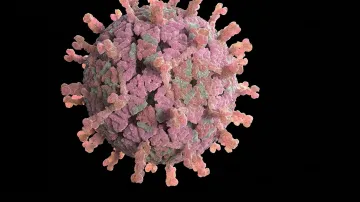
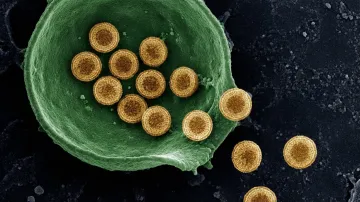
Record human cases of flea-borne typhus in Los Angeles are forcing the disease back into public view. The bacterial infection, caused mainly by Rickettsia typhi, spreads when infected fleas bite or when flea feces contaminate broken skin. Urban rats, opossums and stray pets act as major reservoirs, turning crowded neighborhoods into efficient transmission corridors.

Typhus typically begins with high fever, severe headache and muscle pain, followed by rash and possible organ involvement. Without prompt antibiotics, especially doxycycline, complications such as pneumonia, liver inflammation and encephalitis can occur. Health officials stress that the pathogen targets the vascular endothelium, damaging blood vessels and driving systemic inflammation rather than remaining a mild, self-limiting infection.
Authorities are urging residents to reduce contact with vectors by controlling rodents, using flea prevention products on cats and dogs, and avoiding contact with stray animals. Basic environmental hygiene, sealed trash, and elimination of clutter help interrupt the host–vector cycle. People who develop sudden fever after flea exposure are advised to seek medical care quickly and mention possible flea-borne typhus to clinicians.