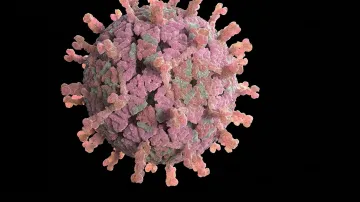
Air thick with pollen is already triggering sneezing, itchy eyes, and congestion in many regions, and specialists report that pollen seasons are becoming longer and more intense. Climate-driven shifts in temperature and carbon dioxide are extending the reproductive window of trees, grasses, and weeds, increasing both pollen load and exposure time for sensitive immune systems.
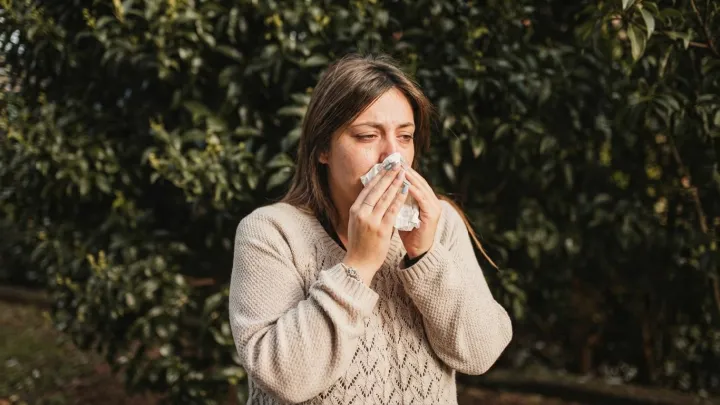
Allergic rhinitis begins when inhaled pollen binds to IgE antibodies on mast cells, driving histamine release and mucosal inflammation. First-line treatment usually involves oral antihistamines and intranasal corticosteroid sprays, which reduce edema of the nasal mucosa and help restore airflow. Saline irrigation can clear allergens from the nasal epithelium, while lubricating eye drops ease conjunctival irritation without sedating effects.
For persistent or severe symptoms, clinicians may recommend allergen immunotherapy, which gradually retrains immune tolerance and can modify disease course rather than just mask reactions. Patients with asthma should monitor peak expiratory flow, as uncontrolled airway hyperresponsiveness raises the risk of bronchospasm. Medical attention is urgent if breathing becomes difficult, if wheezing escalates despite rescue inhalers, or if swelling, hives, or dizziness suggest early anaphylaxis.
Simple behavior changes can also reduce the daily allergen dose: keep windows closed during high-pollen hours, use high-efficiency particulate air filtration indoors, and shower after outdoor activity to remove pollen from skin and hair. Digital pollen trackers and air-quality apps now help people time exercise, commuting, and medication, turning what once felt like random misery into a more manageable, data-informed routine.