An experimental therapy is now the central variable in a scientist’s attempt to outlive a disease that has already claimed his mother and sisters. Diagnosed with the same inherited form of amyotrophic lateral sclerosis, he has enrolled in a cutting‑edge program that targets the molecular drivers of his condition rather than only managing symptoms.
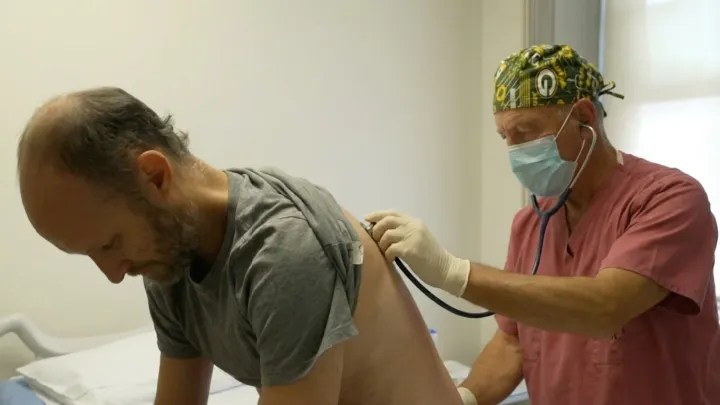
The approach focuses on the motor neurons that degenerate in ALS and uses tools rooted in molecular genetics, including antisense oligonucleotides and other forms of gene modulation, to reduce production of toxic proteins linked to familial variants. Researchers track biomarkers in cerebrospinal fluid and measure changes in muscle strength and respiratory function to see whether the intervention slows the disease’s characteristic loss of voluntary movement.
For the scientist, whose family history offers a stark baseline, every lab readout doubles as a personal prognosis. The trial sits at the intersection of translational medicine and risk, balancing safety protocols such as dose‑escalation and placebo controls against the rapid progression of neurodegeneration. His case has become a vivid test of whether precision targeting of a single pathogenic pathway can alter a trajectory that once looked genetically fixed.