A quiet bike path became the turning point in John Cantrell’s retirement when a sudden fainting episode cut short what had felt like a routine ride. Until that moment, the grandfather had seen himself as fit and active, unaware that his heart was working against a growing structural problem.
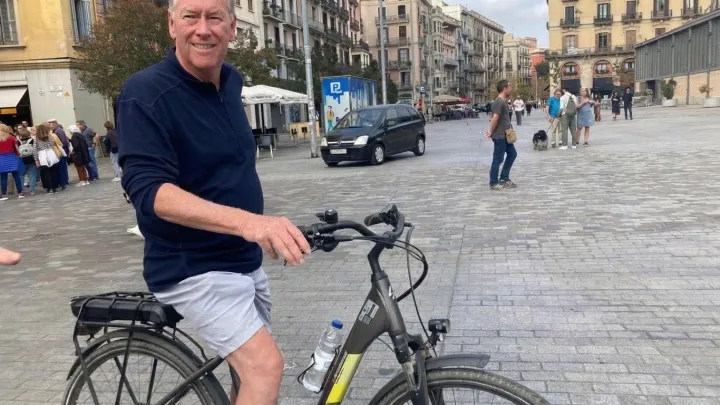
Tests in the hospital revealed severe aortic stenosis, a narrowing of the aortic valve that restricts blood flow from the left ventricle. Doctors explained that the condition was increasing the pressure gradient across the valve and straining his myocardium, raising his risk of arrhythmia and cardiac arrest. What had seemed like simple fatigue on longer rides was now linked to reduced cardiac output and episodes of syncope triggered by exertion.
Cardiologists presented Cantrell with two options: traditional open-heart valve replacement, requiring a sternotomy and cardiopulmonary bypass, or a less invasive transcatheter aortic valve replacement, known as TAVR. The choice involved weighing surgical risk scores, recovery time, and long-term durability of the implanted valve. For Cantrell, the decision was less about returning to cycling speed and more about preserving daily independence and avoiding another collapse on a familiar trail.