A shared neural fingerprint is emerging from the noisy glow of psychedelic brain scans. Across hundreds of imaging datasets, researchers report that substances such as LSD, psilocybin and related compounds consistently push distant brain systems into unusually intense conversation, reshaping how information flows through the cortex.
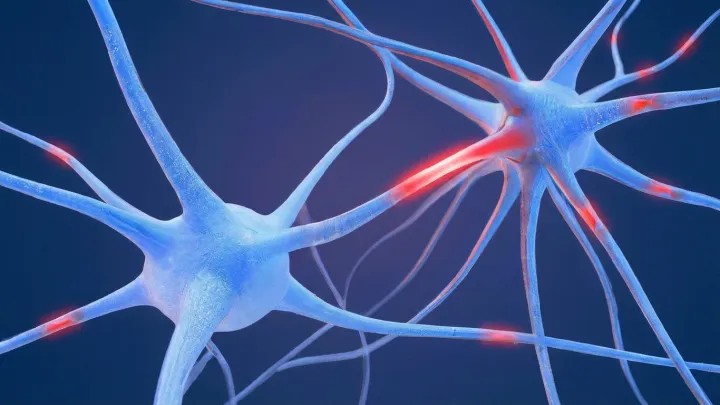
Using functional magnetic resonance imaging and other neuroimaging tools, the team mapped changes in large-scale brain networks that normally operate in semi-independent modes. Under psychedelics, measures of functional connectivity rose between systems that, in standard resting-state conditions, show relatively high segregation. The default mode network, salience network and sensory cortices all displayed altered coupling patterns consistent with higher neural entropy, a concept borrowed from thermodynamics to describe a move toward less constrained brain states.
The convergent profile suggests a class-level mechanism: serotonergic psychedelics, which act primarily on the 5-HT2A receptor, appear to relax hierarchical control, allowing bottom-up sensory and associative regions greater access to executive hubs. This reconfiguration of network topology offers a mechanistic backdrop for reported shifts in perception and self-experience, while also providing a potential biomarker for therapeutic trials. The same neural signature that destabilizes rigid patterns of connectivity may help loosen pathological loops in depression or addiction, even as it blurs the boundaries that ordinarily frame a coherent self.