A sweeping pause in infectious disease testing at the Centers for Disease Control and Prevention is reshaping how federal health surveillance works. The agency has halted dozens of assays that track pathogens across respiratory, foodborne and other clinical samples, according to reporting from The Hill’s health policy vertical.
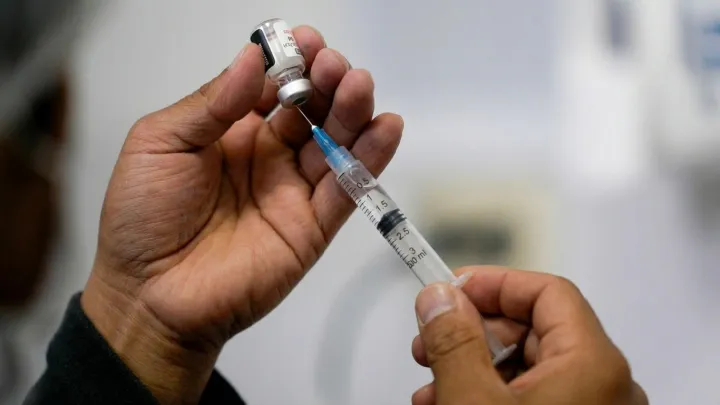
The move comes as CDC consolidates laboratory programs and shifts resources toward newer platforms for molecular diagnostics and genomic sequencing. Public health experts warn that suspending long‑running surveillance panels could create blind spots in epidemiology, limiting trend analysis and weakening early warning systems for outbreaks. Hospitals and state health departments often rely on these standardized assays to calibrate their own case definitions, incidence estimates and infection‑control strategies.
CDC officials frame the pause as part of a broader effort to streamline operations, reduce redundancy and modernize data pipelines with more automated reporting and real‑time analytics. Critics argue that retiring legacy tests before replacement systems are fully validated risks a loss of continuity in baseline data, which underpins metrics such as basic reproduction number and attack rate for emerging pathogens.