Longevity medicine now describes a loose constellation of clinics, protocols and platforms that promise to extend healthspan rather than merely treat disease once it appears. Positioned between classic preventive care and experimental geroscience, it borrows tools from cardiology, endocrinology and genomics while claiming to slow biological ageing itself.
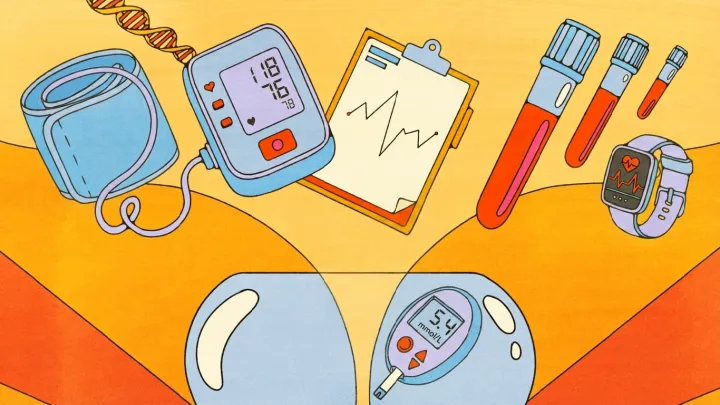
At its core, the field tracks biomarkers such as epigenetic clocks, inflammatory cytokines and lipid profiles, then adjusts sleep, nutrition, resistance training and medications to improve cardiometabolic risk and preserve functional reserve. Concepts like basal metabolic rate, insulin sensitivity and cellular senescence are treated as levers: modify them early enough, the argument goes, and you compress the period of disability into a shorter final chapter of life.
The same looseness that allows innovation also invites opportunism. Some offerings rest on randomised controlled trials and clear risk‑reduction data; others lean on extrapolated animal studies, surrogate endpoints or n-of‑one anecdotes. Consumers are urged to ask which interventions have morbidity and mortality outcomes, which remain in exploratory phases, and whether proposed drug or supplement stacks have been tested together for safety, not just in isolation.
Navigating the space therefore becomes less about chasing every novel peptide or senolytic compound and more about building a hierarchy of evidence. Clinicians who practise responsibly tend to anchor plans in blood pressure control, LDL reduction, diabetes prevention and smoking cessation, then layer in continuous glucose monitoring, advanced lipid testing or VO2 max assessment where they clearly add value. The practical art of longevity medicine lies in keeping that order intact while the science races ahead.