A terminal prognosis turned into a medical outlier when a young Rostraver mother, once bracing for death from metastatic breast cancer, emerged years later with no detectable disease. Her case, described by oncologists as a rare “super responder,” is reshaping expectations for a diagnosis that is usually treated as a chronic, ultimately fatal condition.
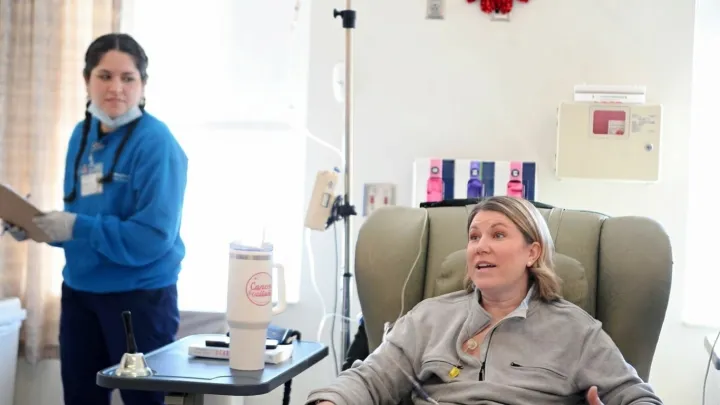
Kate Crawford was in her late twenties when imaging scans and a biopsy confirmed that her breast cancer had already spread beyond the primary tumor. Standard estimates gave her limited time, and she began arranging end-of-life details for her family. Instead, she embarked on intensive systemic therapy, including chemotherapy and endocrine therapy, followed by an immunotherapy regimen designed to harness T‑cell–mediated cytotoxicity against malignant cells.
Serial PET‑CT scans and tumor marker tests gradually showed no radiographic or biochemical evidence of disease. Over subsequent follow‑up visits, her performance status remained stable and no new lesions appeared, placing her in a small cohort of patients whose overall survival and progression‑free survival far exceed historical baselines. Clinicians now point to her trajectory as a data point in evolving discussions about precision oncology and durable remission in metastatic breast cancer.