Floral dresses, simmering tomato sauce and plastic-covered sofas are being rebranded as a wellness strategy. Across social platforms, nonnamaxxing is turning Italian grandmothers into lifestyle blueprints for living long and feeling content. Instead of biohacking gadgets, creators are zooming in on slow cooking, ritualised chores and dense family networks as the real longevity stack.
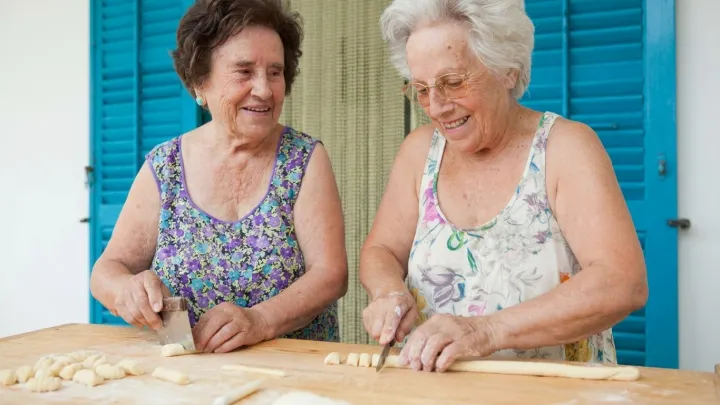
The appeal is partly scientific. Studies on Mediterranean-style diets link home-cooked legumes, olive oil and minimal ultra-processed food to lower cardiovascular risk and healthier gut microbiota. Everyday movement, from walking to markets to handwashing and hanging laundry, lifts total energy expenditure and supports a steadier basal metabolic rate without formal workouts. Add regular sleep, daylight exposure and predictable routines, and nonna life starts to look like a low-tech longevity lab.
Gen Z, raised on burnout memes and always-on feeds, is also drawn to the emotional architecture of nonna culture. Frequent face-to-face contact, intergenerational households and tight neighbourhood ties are associated with lower perceived stress and better mental health, buffering the entropy of digital overload. Whether copying the wardrobe or just the weekly pasta night, nonnamaxxing signals a quiet rebellion: trading optimisation culture for a slower script in which living to a hundred is a side effect, not the main goal.