New silicon is finally arriving in Intel’s non‑Ultra Core lineup, breaking a long cycle of modest refreshes for mainstream laptops and desktops. The shift means architectural changes, not just higher clock speeds or marketing labels, are reaching buyers who never touch premium flagships.
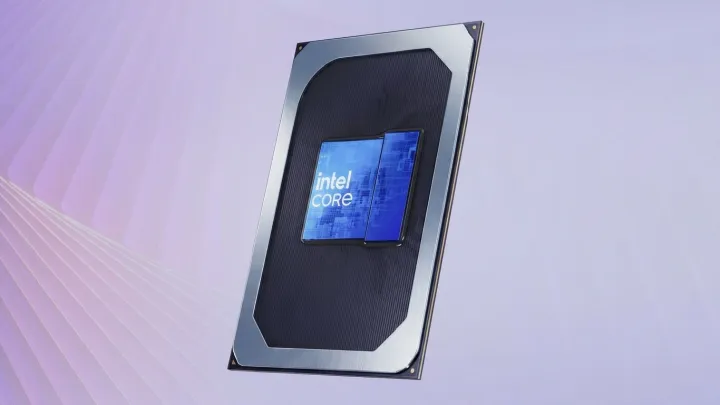
The new chips move more of Intel’s recent design work into the volume segment: updated CPU microarchitecture, a modern process node that affects transistor density, and on‑die AI acceleration blocks rather than relying solely on discrete GPUs. That combination targets both single‑thread throughput and parallel workloads, from browser tabs to local machine‑learning inference, while improving performance‑per‑watt instead of chasing raw frequency.
Memory controllers, cache hierarchies and integrated graphics are also being pulled closer to what appeared first in high‑end silicon, narrowing the feature gap across the stack. For OEMs, this creates a simpler platform story and more consistent power envelopes. For users, it turns what used to be a cosmetic annual refresh into a material upgrade in the midrange.