Shelf after shelf of allergy products looks impressive, yet most of that color does little more than confuse buyers. Behind the clutter, allergists point to a narrow set of tools backed by pharmacology and clinical trials, not marketing copy or seasonal hype.
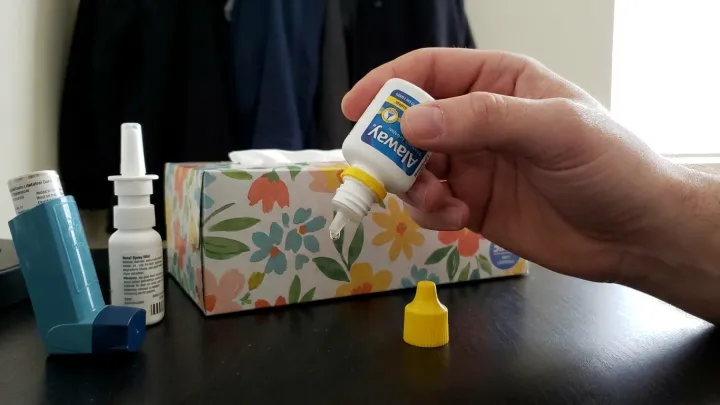
Top of their list are second-generation oral antihistamines such as cetirizine, loratadine, or fexofenadine, which block H1 receptors to reduce histamine-driven symptoms with far less sedation than older drugs. One doctor described them as the default baseline, taken once daily to blunt sneezing, itching, and runny nose without impairing reaction time or focus.
Stronger in effect, though slower to show it, are intranasal corticosteroid sprays like fluticasone or budesonide. These work by dampening local inflammatory pathways in the nasal mucosa, targeting cytokines and eosinophils rather than just masking symptoms. Physicians stressed consistent daily use for several days, noting that on-off dosing undermines their pharmacodynamic advantage.
Rounding out the practical kit are simple saline rinses and lubricating eye drops. Saline mechanically clears allergens from nasal passages, reducing antigen exposure before it can trigger mast cell activation. Preservative-free artificial tears wash pollen from the ocular surface and ease burning or redness, while decongestant eye drops and oral decongestants drew far less enthusiasm because of rebound congestion and cardiovascular side effects.