An uptick in Legionnaires' disease cases in North Carolina has forced Health and Human Services officials to sound an early alarm before the trend hardens into routine. The advisory centers on Legionella, the aquatic bacterium that triggers this severe pneumonia when inhaled as tiny contaminated droplets from water systems or, less often, disturbed soil.
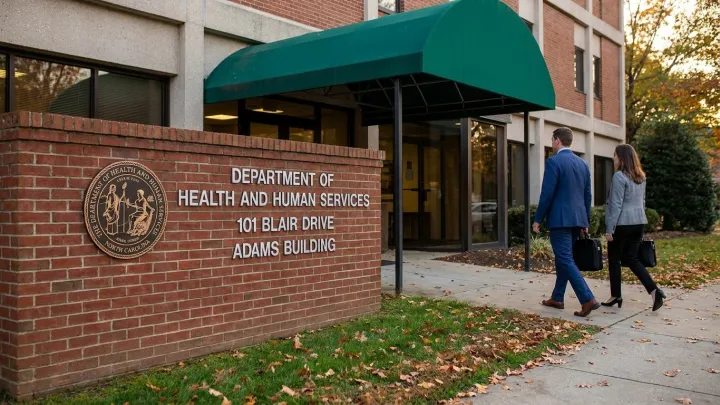
Public health officers argue the threat lies not in exotic pathogens but in familiar infrastructure, where warm, stagnant water in cooling towers, plumbing networks, and decorative fountains can foster bacterial growth. Clinicians describe Legionnaires' disease as an aggressive bacterial pneumonia, marked by high fever, cough, and dyspnea, with particular concern for older adults, smokers, and people with chronic lung disease or weakened immunity.
Officials say the warning is designed to push building managers and health providers into a tighter infection-prevention posture, including water management plans, routine disinfection, and faster diagnostic testing using urinary antigen assays and respiratory cultures. For now, the message to residents is blunt, if unsensational: maintain building water systems, seek care quickly for severe respiratory symptoms, and treat this spike as a preventable systems failure, not a mysterious outbreak.