Mystery hangs over one New Jersey neighborhood like a low, unmoving cloud, and residents are starting to treat coincidence as a lazy explanation. On a single residential street, locals count 28 people who have battled cancer, a concentration that pushes the phrase “statistical anomaly” past its breaking point and into the territory of suspected exposure and silent risk.
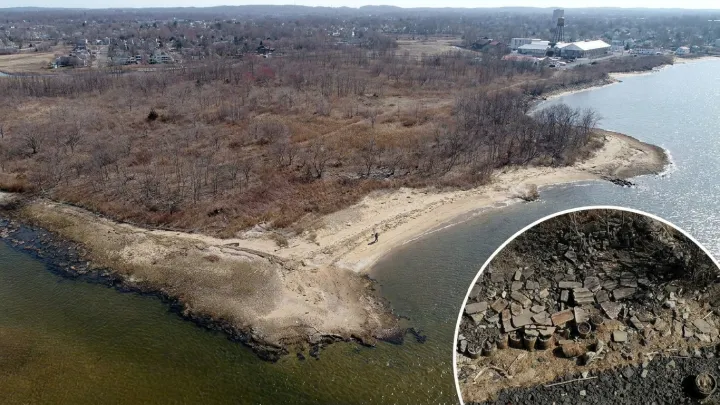
Suspicion, not calm analysis, now sets the tone on front lawns and driveways as neighbors trade diagnoses the way others trade weather small talk. Residents speak of breast cancer, lymphoma, prostate cancer, cases of leukemia; a mix broad enough that epidemiologists might hesitate to label it a classic cluster, yet dense enough that families map it house by house and see a pattern, not random scatter. Old fuel tanks, possible radon accumulation, contaminated groundwater, and legacy industrial runoff all sit on the informal list of suspects, even before any soil assay or groundwater sampling has been completed.
The unsettling part is this: people here no longer want reassurances about probability; they want source identification. They talk about carcinogens and exposure pathways with the fluency of graduate students, invoking volatile organic compounds and heavy metal bioaccumulation as if they were ordinary household terms. Some are pressing local officials for a formal cancer registry review and a comprehensive environmental health assessment, wary that each delay simply adds one more diagnosis to that already crowded street map of illness.