Apple’s move against Cal AI looks less like a one-off and more like a quiet policy line drawn in code. The company confirmed to TechCrunch that the scheduling assistant was not expelled simply for steering users to web payments, but for what it called deceptive billing, manipulative patterns in its sign-up flows, and violations of App Store Review Guidelines that govern how subscriptions are disclosed and confirmed.
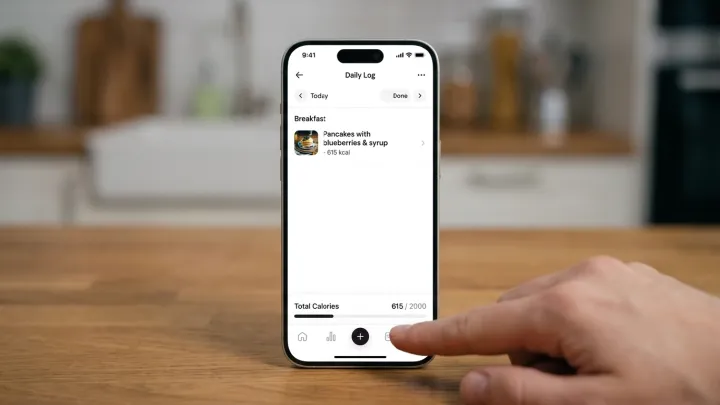
What stands out is not the ban itself but the signal it sends to AI startups treating the App Store as a permissive testbed. Apple is framing the case as a textbook enforcement of consent and disclosure rules, targeting so-called dark patterns in onboarding screens and unclear pricing prompts, rather than as a turf war over in-app purchase commissions. That framing lets Apple preserve its narrative of user protection while still defending its commercial leverage over recurring revenue that passes through iOS.
The deeper tension sits between rapid AI product iteration and a tightly curated distribution gate. Cal AI’s removal tells founders that experimentation with hybrid web funnels, aggressive free-trial mechanics, or ambiguous upgrade prompts will be read as intent, not accident. For developers, the App Store remains a high-conversion channel, but also a closed-loop system where design choices around billing, friction, and autonomy are not just UX decisions, they are policy tests that can end with a binary outcome: listed or gone.