"Wildfire smoke may emerge as an increasingly important driver of cancer burden in the United States," warns a new analysis, and the claim sounds less radical than it should. As cigarette consumption falls, researchers argue, a different combustion source is stepping into the gap, carried not in packs but on the wind.
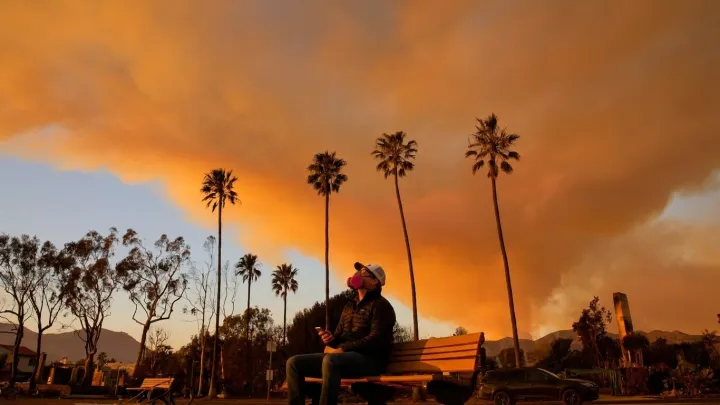
At the center of that warning sits fine particulate matter, or PM2.5, a pollutant small enough to penetrate deep into the alveoli and cross into systemic circulation. Within those microscopic particles, toxicologists are finding polycyclic aromatic hydrocarbons, volatile organic compounds, and heavy metals, a chemical profile that increasingly resembles the carcinogenic mixture in tobacco smoke.
What makes this trend more unsettling is its involuntary nature. Unlike cigarette use, exposure to wildfire plumes is often unavoidable, stretching for days and covering regions far from the fire line. Epidemiologists are now linking repeated smoke events with biomarkers of DNA damage, oxidative stress, and chronic inflammation, all classic pathways in carcinogenesis and already embedded in oncology textbooks.
Public health policy, built for stationary smokestacks and personal smoking behavior, looks poorly matched to this diffuse threat. Air quality alerts, indoor filtration, and evacuation protocols were designed around acute respiratory distress, not long-term oncologic risk, yet the same plumes that trigger coughing today may be quietly rewriting cellular genomes for years to come.