Silence now carries its own data point. Inside the federal health bureaucracy, a completed analysis reportedly shows that Covid-19 vaccines cut the odds that infected adults would land in an emergency room or hospital by about half during the most recent surge, yet the agency that ran the project has not released it.
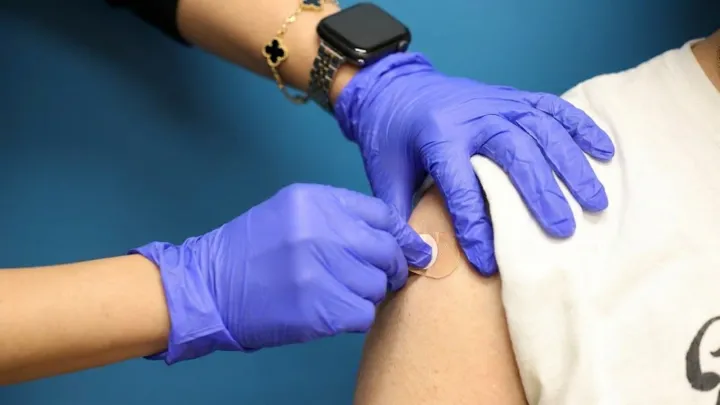
What emerges is a political decision masquerading as scientific pacing, according to people briefed on the work, who describe a standard vaccine effectiveness study drawing on electronic health records, emergency department logs, and hospitalization registries to estimate how immunization status shaped outcomes in real clinical settings. They say the numbers are not subtle: vaccinated adults, once infected, showed sharply lower rates of progression to acute respiratory distress, need for supplemental oxygen, and intensive care admission, metrics that align with established immunology around neutralizing antibodies and memory B-cell responses.
The more awkward truth is that withholding such results distorts risk communication. When an agency suppresses evidence that current shots still blunt severe disease, it hands rhetorical ground to misinformation while undercutting its own tools for vaccine policy, including benefit–risk assessment and health technology appraisal. Trust is not eroded by bad news alone; it is eroded faster when good news is edited out.