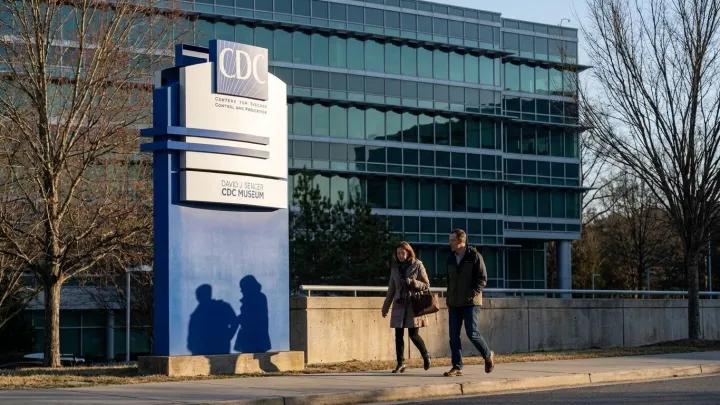
Silence, not data, now frames the latest federal assessment of COVID-19 vaccine performance against severe disease. A study prepared within the Centers for Disease Control and Prevention, examining how well current formulations protect against hospital admission, has been withheld from publication by U.S. health officials, according to people familiar with the decision and internal summaries shared across agencies.
The restraint looks less like scientific caution than a calculated communication choice, made in a climate where both vaccine uptake and institutional trust are under strain. Draft findings, based on clinical surveillance networks and electronic health records, were designed to estimate vaccine effectiveness against laboratory-confirmed COVID-19 hospitalizations, using standard epidemiologic tools such as case-control matching and multivariable logistic regression to adjust for age, prior infection and comorbidities.
What stands out is not the methodology but the decision to keep it out of the public record, even as updated mRNA formulations and booster schedules are promoted on the strength of evidence that remains only partially visible. Officials involved in the review have cited concerns about misinterpretation and data limitations, including sparse enrollment in some subgroups and wide confidence intervals, yet the suppression of a completed analysis risks reinforcing the very suspicion it is meant to avoid, leaving the debate over vaccine policy to operate in a widening informational gap.