Forced updates have been the quiet tax of Windows ownership, and Windows 11 is finally cutting that bill. New controls in setup and Settings let devices sidestep specific releases, stretch pause periods, and sharply limit the surprise reboots that have long angered power users and office workers alike.
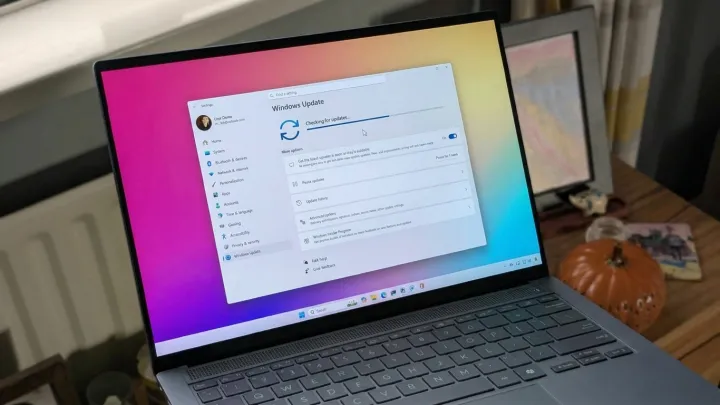
Most significant is the skip option during initial configuration, which turns what used to be a mandatory feature upgrade path into a selective track, giving users a way to remain on a stable build rather than taking each new release as it appears in Windows Update orchestration. Short. That choice matters for enterprises that treat every feature update as a small migration, with app compatibility tests and group policy reviews attached.
Equally telling is the longer pause window. Microsoft is extending the period during which quality and feature updates can be deferred, a change that aligns more closely with maintenance cycles, patch validation, and change‑management policies. Short again. It reduces the need for registry tweaks and third‑party tools that many admins have quietly relied on to hold back problematic patches.
The most visible win for everyday users, though, is tighter control over restarts. Windows 11 will lean harder on active‑hours telemetry and user‑defined windows before triggering reboots, shifting forced restarts toward a last‑resort behavior instead of a routine enforcement tool that interrupts meetings, game sessions, or live presentations.