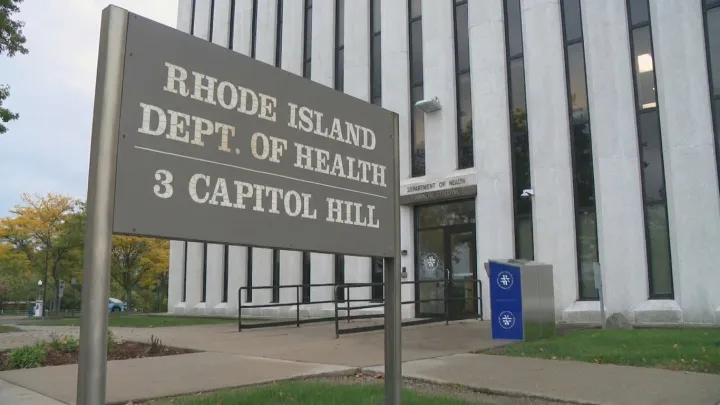
Six infected animals are enough to change public behavior, health officials argue, as at least that number in Providence County have tested positive for rabies over recent weeks. The Rhode Island Department of Health has issued a formal advisory after confirmed results from state laboratory diagnostics, which use direct fluorescent antibody testing on animal brain tissue.
Rabies, a viral encephalitis with near‑uniform fatality once symptoms start, rarely offers second chances, and that unforgiving biology drives the warning now pushed toward pet owners and outdoor workers across the county. Officials are stressing core tools of prevention: current vaccination of dogs, cats, and ferrets, prompt post‑exposure prophylaxis for any bite or saliva contact with broken skin, and strict avoidance of handling wildlife, dead or alive.
The real concern, health officers suggest, is not the six known cases but the silent ring around them, since reservoir species such as raccoons, skunks, and bats can spread the lyssavirus without obvious signs until late in infection. Residents are being told to report unusual animal behavior to local animal control, secure trash and outdoor food sources that attract wildlife, and seek immediate medical evaluation after any bite or scratch from an unknown or unvaccinated animal.