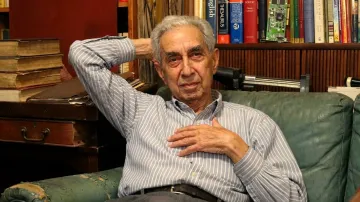
Cardiology rarely admits revolution, yet the field bent around Eugene Braunwald’s work. What had been a static view of heart injury turned, under his data, into a dynamic process that could be interrupted. By reframing myocardial infarction as evolving tissue damage rather than an instant, fixed event, he opened the door to therapies aimed at limiting necrosis, not just documenting it.
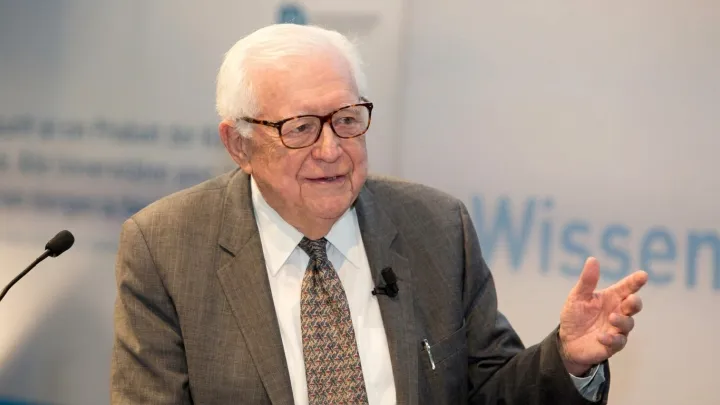
Equally disruptive was his insistence that heart failure was not merely the last chapter of disease but a target for precise intervention. He tied hemodynamics to symptoms in a way that forced clinicians to track ejection fraction, preload and afterload with new discipline, and he helped move treatment from passive observation to active modulation of neurohormonal pathways through agents such as ACE inhibitors and beta blockers.
Most consequential, perhaps, was his appetite for scale. He treated coronary artery disease as a problem that demanded rigorous, prospective clinical trials rather than anecdote or habit, pushing randomized designs that established the value of thrombolysis, statins and early invasive strategies. On hospital wards and in guideline committees alike, daily practice still follows the contours of the questions he chose to ask.