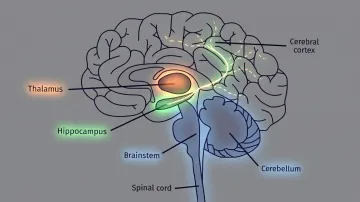
Silence carried the hardest truth. A 13-year-old’s kidneys, scarred by relentless damage to their nephrons and glomeruli, were shutting down, and the transplant list offered numbers, not guarantees. Dialysis could buy time. It could not restore the ordinary chaos of school, friends, or sport. In that clinical stalemate, risk and exhaustion became the family’s daily grammar.
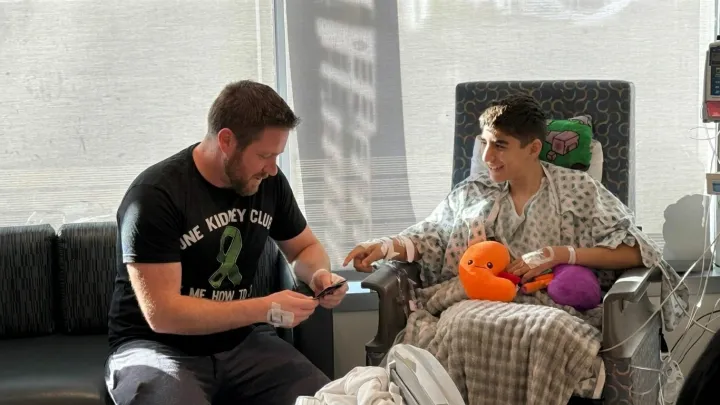
Strangely, the most rational response came from emotion. Tim Fitzpatrick, already living inside hospital corridors with his chronically ill child, saw the boy’s story and treated it less as tragedy than as a direct request. He underwent crossmatch testing and tissue typing, absorbed the warnings about immunosuppressants, infection, surgical pain, and still signed the consent forms. When doctors announced he was a match and walked him into the operating room, the usual hierarchy of donor and recipient felt inverted; he insisted the real burden lay with the family that had run out of options.
Generosity is often described too cheaply. In that recovery room, when the news spread that the transplanted kidney had begun to produce urine within minutes, medical protocol briefly gave way to human reaction. Staff cried. Parents cried. Even Fitzpatrick, who had tried to frame the decision as simply logical, could not maintain that distance. For a moment, the machines hummed, the monitors blinked, and two families shared a single, stunned breath.