The safe cholesterol number many people grew up with is now being treated as too high. LDL, the so‑called bad cholesterol, is being driven to far lower targets as cardiologists tighten the link between its level in blood and the odds of heart attack or stroke.
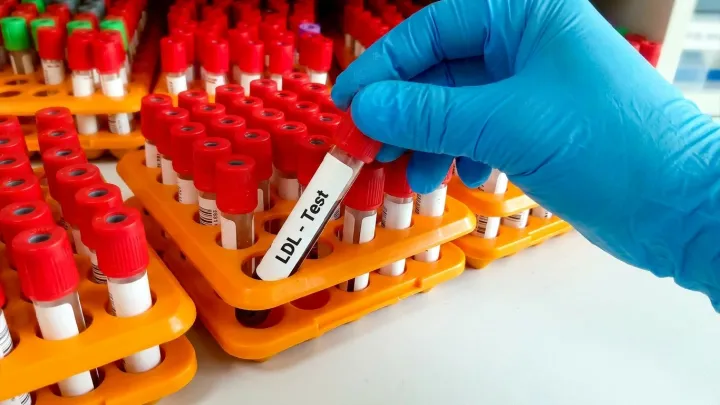
Specialists now argue that for people with known coronary artery disease, an LDL target once considered acceptable leaves plaque biology largely unchanged, while aggressive lowering remodels it. Studies using intravascular ultrasound and coronary CT angiography show that pushing LDL toward levels under roughly thirty to fifty milligrams per deciliter can shrink lipid‑rich plaques and stabilize fibrous caps, cutting the rate of myocardial infarction in high‑risk groups.
The shift is not only rhetorical; it is therapeutic escalation. Doctors are stacking high‑intensity statins with ezetimibe and PCSK9 inhibitors to suppress hepatic cholesterol synthesis and boost LDL receptor recycling, treating LDL almost like a toxin that accumulates with every day of exposure. Health systems are being urged to leverage electronic registries and closed‑loop reminders to identify patients who sit above the new threshold, since each untreated increment of LDL is framed as a preventable exposure to vascular damage.