About 9.3% of the planet, the model suggests, sits on a biological fault line. New global mapping of outbreak vulnerability identifies a belt of land where dangerous pathogens are more likely to spill over, spread fast, and escape early detection by health systems already under strain.
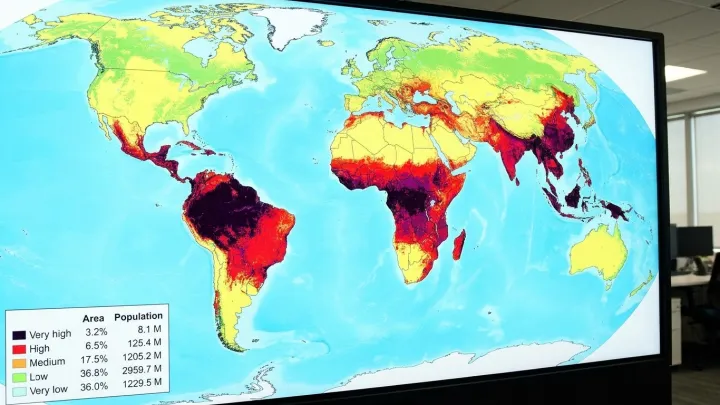
Most striking is how predictable this risk looks once the variables are stacked. Where high human population density collides with rapid land use change, intense livestock production, and poor access to primary care, the model shows sharp spikes in vulnerability scores, especially when overlaid with limited laboratory capacity and weak genomic surveillance of pathogens.
The map, built from spatial epidemiology methods and probabilistic risk modeling, does not claim to forecast the next specific disease. It does something blunter. It clusters regions by exposure, susceptibility, and response capacity, turning deforestation rates, travel connectivity, and health expenditure into a composite index that flags where an emerging virus or bacterium could gain early momentum.
The uncomfortable message is that vulnerability is not evenly spread but structurally produced. Border zones between cities and forests, informal settlements pushing into wildlife habitats, and transport corridors that cut across under-resourced health districts appear again and again in the highest risk bands, even as some nearby territories benefit from stronger surveillance and clinical infrastructure.