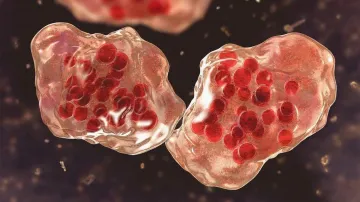
Cases of drug-resistant salmonella are spreading faster than the public debate about them, and that imbalance is the real risk. Health officials report dozens of infections tied to a single outbreak, with roughly a dozen in children younger than five, a group far more vulnerable to dehydration and invasive disease than healthy adults.
Behind the dry case counts sits an uncomfortable medical detail: several isolates show resistance to multiple antibiotics, a pattern known as multidrug resistance that can blunt standard therapy. Laboratory testing of the bacteria, using antimicrobial susceptibility testing and molecular typing, has guided clinicians away from first-line drugs and toward narrower, sometimes less familiar options that carry their own side-effect profiles.
What looks like a routine foodborne episode is, in practice, a stress test of public health infrastructure. The CDC warning urges clinicians to consider resistant infection when children arrive with fever, diarrhea, and signs of sepsis, and it asks laboratories and health departments to fast-track reporting so epidemiologists can trace the source before more toddlers end up in emergency rooms.