Viral wellness hacks look persuasive; the data behind them does not. Across clinics, gastroenterologists report that probiotics, chamomile tea and abdominal massage rarely change core irritable bowel syndrome symptoms, even as these tactics dominate TikTok and YouTube feeds.
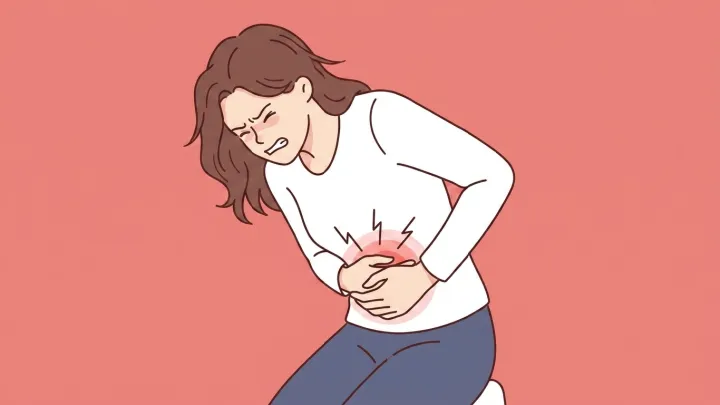
Specialists argue that the hype ignores the biology. Irritable bowel syndrome involves altered visceral hypersensitivity and dysregulation of the gut–brain axis, not a simple deficit that a supplement or herb can top up. Randomized controlled trials of probiotics show inconsistent, small effects at best, with strain, dose and duration all over the map, making broad recommendations scientifically weak.
Chamomile tea and abdominal massage sound gentle, almost virtuous. Yet controlled studies either do not exist or show only modest, short term comfort with no reliable impact on stool frequency, bloating scores or quality of life indices. Placebo responses in irritable bowel syndrome are famously high, so any soothing ritual can feel effective even when objective endpoints barely move.
Clinicians are blunt: attention is being diverted from interventions that actually carry evidence, including low FODMAP dietary plans, cognitive behavioral therapy targeting visceral pain processing, and carefully selected antispasmodic or neuromodulator drugs. While experts do not forbid tea or massage, they warn that chasing influencer routines in a closed loop of trial and error may delay structured, guideline based care for a condition that already thrives on uncertainty.