Multiview finally behaves like viewers assumed it should. Instead of fixed channel bundles, YouTube TV now lets subscribers build their own multi-channel grids, choosing which live feeds share a single screen and how many appear at once.
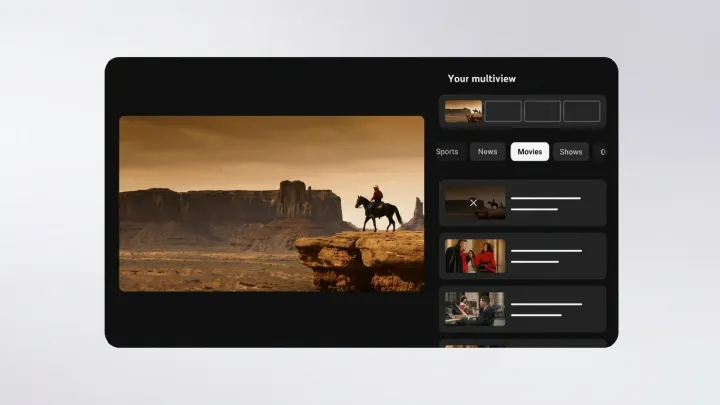
This looks like a simple interface tweak, yet it reflects a deeper shift in how the service handles concurrent video streams and bandwidth allocation across a single client device, turning what used to be a server-picked preset into a user-controlled layout engine. Sports fans can pin one game larger, stack three smaller games beside it, or swap channels on the fly without dropping back to a menu. The feature lives inside the live tab and the home feed, where users can start from suggested combos or assemble a fresh set from their full channel lineup.
The catch is blunt. Multiview still ignores many of the screens where streaming actually happens. Phones and tablets are out. Web browsers on desktop are out. Game consoles are out. Support sits mainly with select smart TVs and streaming boxes, including recent Roku and Google TV hardware, with availability varying by device model and region. That gap matters for households that split viewing between a living room screen and personal devices, because the most flexible viewing mode now exists only on a subset of the platform’s footprint, creating a two-tier experience inside one subscription.