Sevenfold growth in a preventable disease signals failure, not fate. Syphilis, once considered in retreat, is climbing again across the United States, according to new federal surveillance data, with a Centers for Disease Control and Prevention map highlighting sharp regional differences in risk and care access.
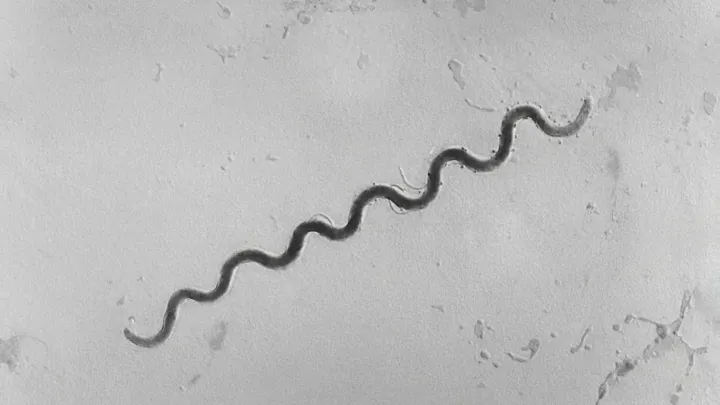
Most alarming is the spike in congenital syphilis, the form passed from pregnant patients to infants. National counts now stand roughly 700 percent higher than about a decade ago, a rise public health officials link to missed screening, untreated maternal infection, and fragile safety‑net clinics. Syphilis is caused by the bacterium Treponema pallidum; without timely penicillin therapy during pregnancy, the pathogen can cross the placenta, leading to stillbirth, prematurity, or severe neonatal disease.
Unequal geography shapes this resurgence. CDC mapping shows clusters of elevated risk in parts of the South and West, where sexually transmitted infection clinics have closed and addiction and housing instability complicate routine testing. Epidemiologists point to basic tools—serologic testing, contact tracing, and consistent prenatal care—as sufficient to reverse the trend, yet those tools remain unevenly deployed, leaving the national map mottled with preventable harm.