Fear gets the science wrong. Family history does raise dementia risk, yet biology leaves far more room for negotiation than most people assume, and a new metric called the Brain Care Score tries to put a number on that room.
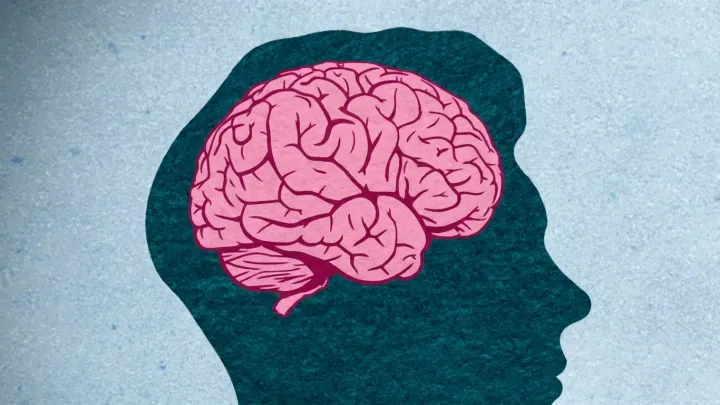
At its core sits a blunt claim: daily choices can reshape the odds for cognitive decline by acting on core brain biology such as neuroplasticity and cerebrovascular integrity, so the score tallies habits like physical activity, sleep duration, blood pressure control, diet quality and social engagement to estimate how much protection a person is building or eroding over time.
What this tool really attacks is fatalism. By merging epidemiological data with clinical neurology, the Brain Care Score translates abstract risk ratios into a simple range that shows how smoking, uncontrolled hypertension or persistent inactivity stack the deck, while regular aerobic exercise, stable glucose levels and mentally demanding tasks push the brain toward greater synaptic reserve and more resilient white matter pathways.
The uncomfortable implication is that a family history can no longer serve as a shrugging excuse, because the score reframes dementia not as a fixed sentence but as a probability curve that bends, however imperfectly, with every walk taken, every medication adhered to and every night of consistent sleep.