Twenty-three cruise ship outbreaks are not a catastrophe; they are a warning light. Public health logs show that reported gastrointestinal clusters on large vessels have climbed, with norovirus driving most confirmed cases. Passenger decks, dining halls and shared entertainment areas compress thousands of people into a semi-enclosed interior, turning every shared handrail, buffet tong and elevator button into potential fomites.
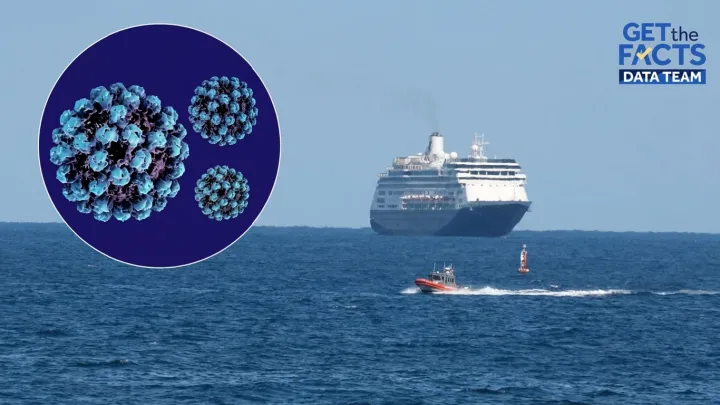
The real problem is architectural, not exotic pathogens. Cruise ships rely on centralized HVAC systems and tight circulation routes that favor close contact and short-range droplet spread, even when air exchange rates meet engineering standards. Norovirus, with a low infectious dose and environmental stability on hard surfaces, exploits these conditions far better than respiratory viruses that depend on sustained aerosol transmission.
Calling cruising unsafe, though, misses the statistical scale. Hundreds of voyages sail without incident, and attack rates on affected ships usually involve a minority of passengers once environmental disinfection and isolation protocols begin. What these outbreaks expose is a design trade-off: maximize social density and onboard convenience, and you inherit a standing experiment in viral transmission dynamics.