Your Slower Walk May Start In Your Ears
2026-05-10
Slower footsteps may say more about your ears than your knees. In Apple’s hearing study, motion and audio data from more than 57,000 iPhone users pointed to a tight link between degraded hearing and reduced walking speed, even in people who would never call themselves deaf or disabled.
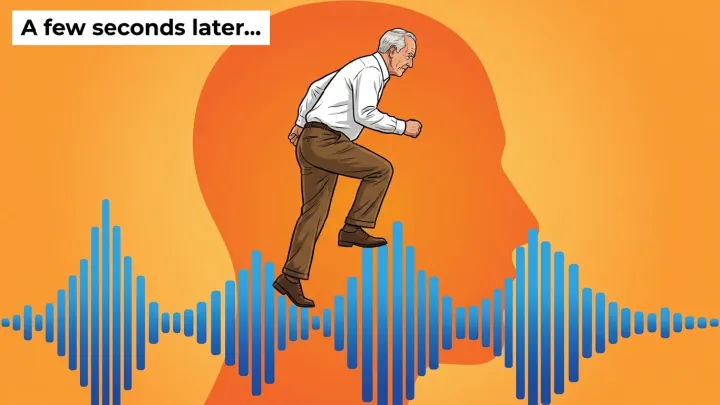
That connection challenges the joint-first story people tell about aging bodies. Researchers argue that when hearing starts to slip, the auditory cortex and frontal lobes must work harder on basic sound processing, a classic case of increased cognitive load that quietly steals resources from gait control and dual‑task walking. The vestibular system in the inner ear, which governs balance and spatial orientation, is also often impaired alongside hearing, subtly destabilizing posture so each step becomes more cautious, shorter, and slower.
The study’s real shock lies in the data source. Everyday iPhones, using microphones and accelerometers rather than lab treadmills and wired headsets, captured real‑world behavior across streets, kitchens, and office corridors. That scale allowed scientists to correlate ambient noise exposure, self‑reported hearing metrics, and step cadence, turning consumer electronics into a kind of continuous epidemiology engine for mobility and sensory health.
Loading...

