Hantavirus monitoring widens across states
2026-05-12
Hantavirus risk is higher than the small case numbers suggest, health officials argue, because the virus hides behind symptoms that mimic routine respiratory illness and often appears only after silent contact with rodent droppings or urine. In Nebraska and Georgia, authorities are monitoring eighteen residents for possible infection, while health departments in Arizona, California, Georgia, New Jersey, Texas and Virginia have widened surveillance and outreach in response to recent alerts.
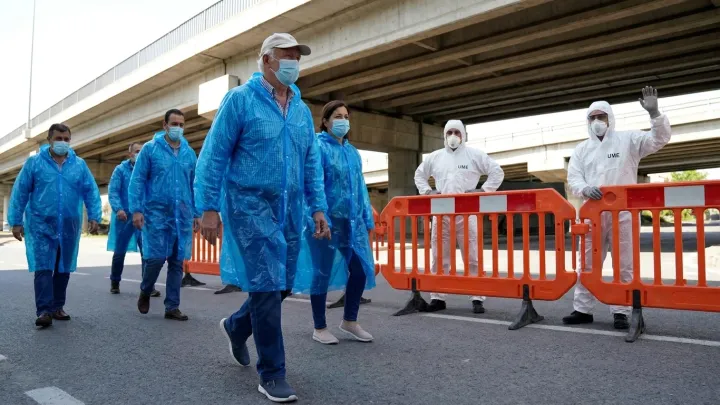
The concern is blunt. One missed case can mean a patient progressing from fever and fatigue to hantavirus pulmonary syndrome, a condition marked by capillary leak and acute respiratory distress that often requires intensive ventilation. Officials say current monitoring relies on exposure history to deer mice and other wild rodents, targeted serologic testing, and rapid reporting of unexplained respiratory failure, rather than on broad community screening, which would strain laboratory capacity without clear benefit.
Some experts see the scattered investigations as evidence not of panic but of a maturing surveillance system that now treats every unexplained severe respiratory case as a potential zoonotic signal. State agencies are pushing simple but strict guidance: seal structures against rodents, avoid sweeping or vacuuming contaminated spaces, and use disinfectant and protective equipment when cleaning areas with droppings, to reduce the chance that another monitored contact becomes a confirmed infection.
Loading...

