U.S. doctor isolated in Nebraska unit
2026-05-14
Isolation comes first. Comfort comes last. That is the blunt logic now playing out inside a high-level biocontainment unit in Nebraska, where an American oncologist who stepped in to help sick cruise passengers during a hantavirus outbreak has been moved after potential exposure, turning a vacation vessel into the unlikely front line of viral control.
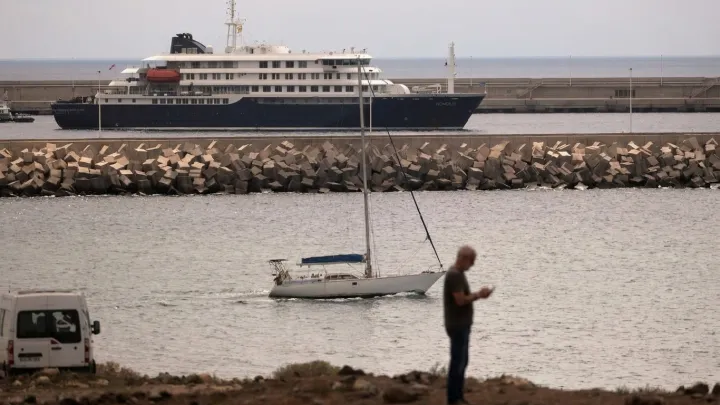
Heroism here looks deeply uncomfortable. By assisting fellow passengers, the cancer specialist crossed an invisible line that infection control experts describe with terms like aerosolization and viral load, triggering strict protocols that treat even low-probability exposure as a serious biosafety event. Hantaviruses, typically linked to rodent excreta and known for causing hantavirus pulmonary syndrome through capillary leak and acute respiratory distress, rarely appear in the vocabulary of cruise medicine, yet the response now mirrors the layered safeguards used for hemorrhagic fevers.
The Nebraska unit underscores a harsh truth about modern travel medicine. Global mobility can compress remote zoonotic risks into a single enclosed space, forcing systems built for oncology wards or primary care clinics to operate under the logic of high-containment laboratories, with negative pressure rooms, powered air-purifying respirators and meticulous environmental decontamination. While the oncologist remains the only American isolated there, the episode exposes how thin the margin is between leisure travel and the discipline of outbreak science.
Loading...

