Why Omaha Became America’s Quarantine Hub
2026-05-15
Quarantine keeps circling back to Omaha for a reason. Steel doors, negative‑pressure rooms, and glass observation panels define the Nebraska biocontainment unit long before any patient arrives, turning a Midwestern hospital wing into something closer to infrastructure than bedside care, a space engineered as much for federal logistics as for medicine.
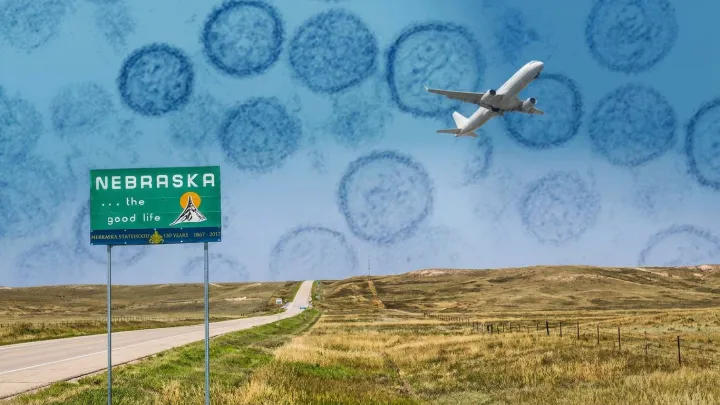
The decision traces to post‑9/11 fears, not regional boosterism. When Washington began treating anthrax envelopes and smallpox scenarios as national‑security problems, planners wanted a facility far from coastal targets, close to major air routes, and embedded in an academic medical center that could run high‑level infection control and epidemiologic surveillance without improvisation. Omaha, with its university hospital and existing emergency‑preparedness grants, fit the matrix unusually well.
This is less about geography than about repeatable protocol. The unit’s air‑handling systems, personal protective equipment drills, and isolation workflows were stress‑tested on Ebola and other high‑consequence pathogens, giving Omaha an institutional memory that bureaucracies prize. So when flights divert and chartered jets land with passengers flagged by federal quarantine authority, the path of least resistance still ends in the same quiet corridor of the Great Plains.
Loading...

