California raises alarm on acrolein and EtO
2026-05-15
Tenfold cancer potency is not a technical quibble; it is a regulatory earthquake. California health officials have released updated risk assessments for acrolein and ethylene oxide, two air contaminants routinely detected in ambient monitoring. The new science finds ethylene oxide carries a cancer potency about ten times higher than benzene, while acrolein emerges as a potent driver of respiratory irritation and chronic airway damage at very low concentrations.
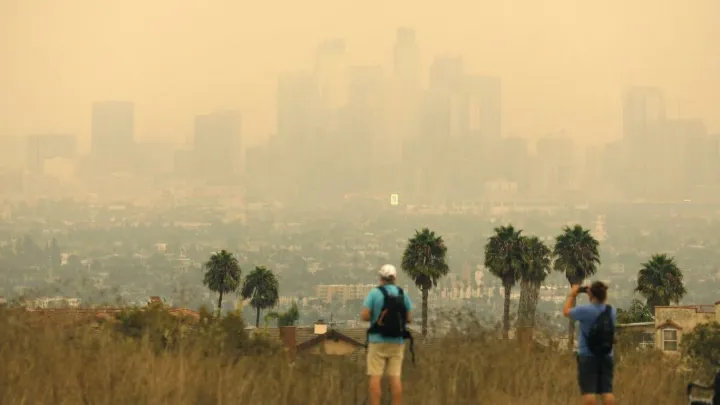
The blunt message is that common exposures now look far less acceptable. Ethylene oxide, long used for sterilization and chemical production, is reassessed using dose–response modeling and inhalation unit risk values that sharply tighten the margin regulators once assumed. Acrolein, a reactive aldehyde formed in combustion and tobacco smoke, is flagged for its capacity to trigger inflammation of the respiratory epithelium and to exacerbate asthma, even when measured in parts-per-billion ranges across California communities.
The quiet shock lies in what this does to policy math. With these updated reference exposure levels and cancer potency factors, routine emissions from refineries, medical sterilizers and traffic no longer sit in the same risk band as before, pushing air districts toward stricter permit limits and sharper community screening. For residents living near industrial corridors, the state’s revised science turns an abstract toxicology chart into a direct question of acceptable neighborhood risk.
Loading...

