Ebola burials mount in Congo
2026-05-17
Frequent burials now define the Ebola outbreak in Congo, turning mourning itself into a public health battleground. Fresh mounds rise in crowded cemeteries, while each body represents both a loss and a potential ignition point for new transmission chains that investigators struggle to map in real time.
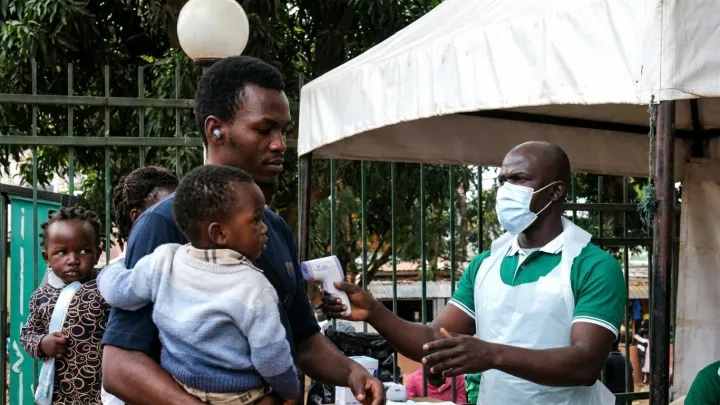
Health officials argue the death toll, already at least 80, tells only part of the story, because every confirmed fatality implies a wider circle of exposed relatives, caregivers, and traditional healers. Case definition protocols, polymerase chain reaction testing, and strict infection prevention and control rules collide with local customs that favor touch, washing, and communal farewell rituals at the graveside.
The harder truth is that each unsafe burial can erase days of contact tracing work. Teams in protective suits push for rapid, medically supervised burials, yet families often resist what they see as rushed, anonymous interments. That tension slows isolation of suspected cases, undercuts quarantine orders, and keeps the basic reproduction number hovering uncomfortably near the threshold that separates containment from sustained spread.
International responders insist that vaccines, personal protective equipment, and mobile treatment units can still hold a line, but only if they gain trust fast enough to alter burial practices. In the silence after each funeral, what remains is a fragile bet that science and community consent will converge before the next row of graves appears.
Loading...

