What to Know About the Latest Ebola Emergency
2026-05-18
Shock comes first here: an outbreak in one central African nation has just been declared a global health emergency. Ebola virus disease, long associated with remote forests and small clusters, has again shown how easily local transmission can threaten borders, trade, and fragile health systems elsewhere.
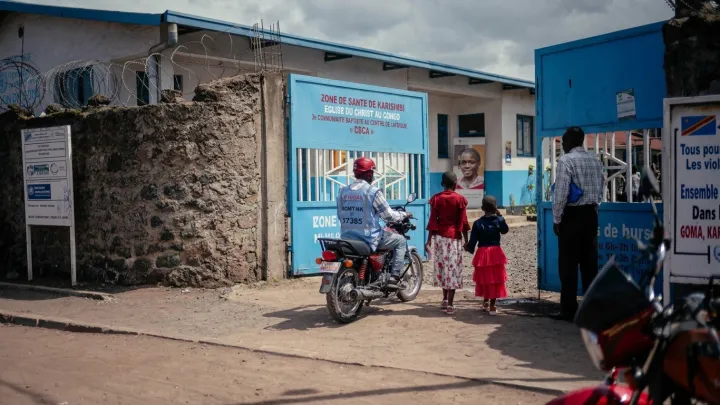
At the center of the alarm is the Democratic Republic of Congo, where about 80 people have died after infection with the filovirus, a pathogen that causes viral hemorrhagic fever through rapid replication in blood and lymphatic tissue. Case fatality rates remain high, and the pattern of transmission through direct contact with bodily fluids makes every funeral, clinic visit, and household a potential amplification point.
The World Health Organization did not act out of symbolism; its emergency declaration activates international funding channels, strengthens surveillance obligations under the International Health Regulations, and pressures governments to support ring vaccination campaigns using licensed Ebola vaccines and experimental monoclonal antibody therapies. That mechanism can speed laboratory diagnostics, personal protective equipment supply chains, and cross‑border screening.
The uncomfortable truth is that the world has the scientific tools to contain this virus, yet still stumbles over politics, mistrust, and weak infrastructure. Community engagement, contact tracing, and strict infection prevention and control protocols will decide whether this outbreak remains a regional crisis or becomes another test of global solidarity.
Loading...

