Ebola response strained as WHO declares emergency
2026-05-25
Scarcity, not science, is now driving the Ebola response, even as the World Health Organization designates the outbreak a public health emergency of international concern. Treatment units report full wards, delayed isolation, and patients turned away, while infection control protocols grow harder to maintain with each missing glove and mask.
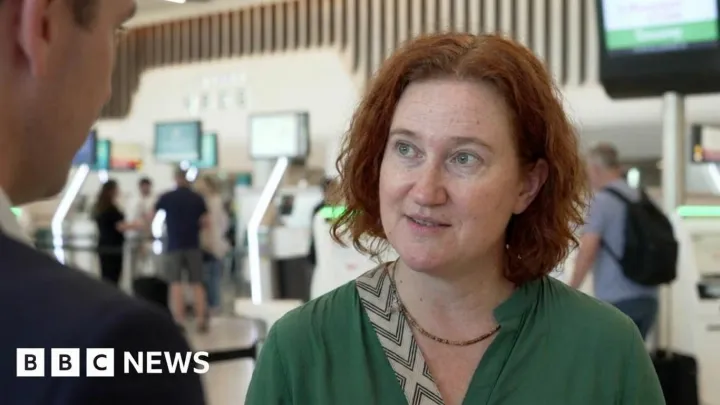
At the center of this strain sits a basic arithmetic failure. Too many suspected cases, far too few staffed beds. A nurse working in an isolation clinic describes sharing limited personal protective equipment between shifts, a practice that undermines barrier nursing and raises the risk of nosocomial transmission. Laboratory capacity for polymerase chain reaction testing lags behind demand, stretching the time between sample collection and confirmed diagnosis.
Most disturbing is how this shortage erodes trust faster than the virus erodes immunity. Families watch bodies removed by teams in partial gear. Communities see ambulances arrive late or not at all. Public health officials speak of surveillance systems and contact tracing, yet without consistent staffing, transport, and basic supportive therapy such as intravenous fluids and electrolyte monitoring, these technical terms sound abstract against the blunt fact of empty supply shelves.
Loading...

