‘Payam Method’ turns piano drills into play
2026-05-25
Colorful circles on a tablet screen, not black notes on staff paper, set the tone for the Payam Method, a fast-spreading approach to beginner piano that treats music class less like a recital and more like a game in progress.
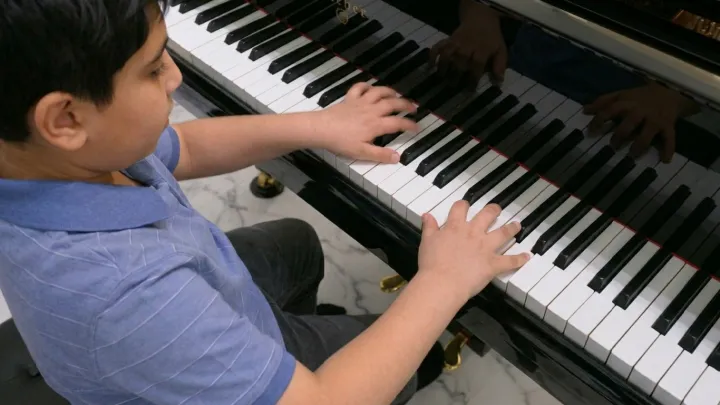
The bold claim is simple: drills fail, games stick. Instead of starting with notation and finger numbers, the Payam Method anchors lessons in pattern recognition and rhythm play, then sneaks in staff reading once a child can already map sound to movement on the keyboard with basic muscle memory and auditory feedback loops in place. Short, timed challenges, cartoon prompts, and immediate on-screen scoring mimic reward schedules studied in behavioral psychology, turning practice into a series of small wins rather than a single weekly verdict from a teacher.
Skeptics argue that shortcuts cheapen musicianship, yet the method leans on conventional theory more than its bright interface suggests. Interval training, harmonic progression, and structured ear training appear inside mini-games that ask students to match chords, track steps and skips, and echo short melodic fragments. Parents report that kids ask for extra practice sessions, and teachers say they can introduce hands-together reading and simple improvisation earlier, because anxiety drops when mistakes look like part of a level, not a personal failure. For young beginners who might otherwise quit before they decode the staff, that shift in timing may be the difference between a closed piano lid and a long-term habit.
Loading...

