Wisconsin flags mpox cases and urges prevention
2026-05-28
Clusters rarely stay local, and the latest mpox infections in Wisconsin make that point with clinical clarity. A group of confirmed cases in southeastern and northern parts of the state has prompted the Wisconsin Department of Health Services to renew its warning that mpox spreads mainly through close, often intimate, contact and that the virus can move quickly through tightly connected social networks.
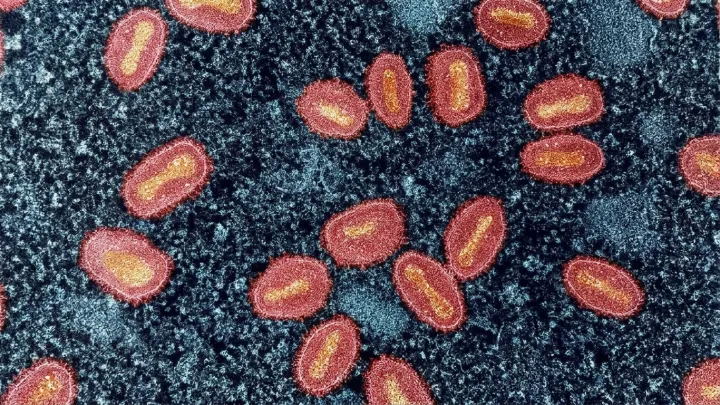
Public health officials argue that prevention is less about panic than about precision. They are steering eligible residents toward the mpox vaccine, which uses a non‑replicating orthopoxvirus platform and is designed to prime adaptive immunity before exposure or soon after high‑risk contact. Clinics and local health departments are being asked to leverage existing sexual health services to offer vaccination, testing, and counseling in a single, closed‑loop encounter that limits missed opportunities.
The sharper concern sits with people who have multiple sexual partners, attend crowded indoor events, or share bedding and personal items, because sustained skin‑to‑skin contact, contact with lesions, and exposure to respiratory secretions remain core transmission routes underlined in epidemiologic guidance. DHS materials now push early recognition of rash and lymph node swelling, stress isolation until lesions fully heal, and direct residents to online tools that map vaccine providers and outline post‑exposure prophylaxis, aiming to blunt this cluster before it quietly expands.
Loading...

