Measles Outbreak Exposes Utah’s Hidden Risk
2026-05-28
In Utah, measles is not just back; it is hunting the very people medicine cannot fully shield. In households and hospital corridors, the virus is moving along gaps left by incomplete vaccination coverage, exploiting every lapse in herd immunity that once kept transmission chains short and self‑limiting.
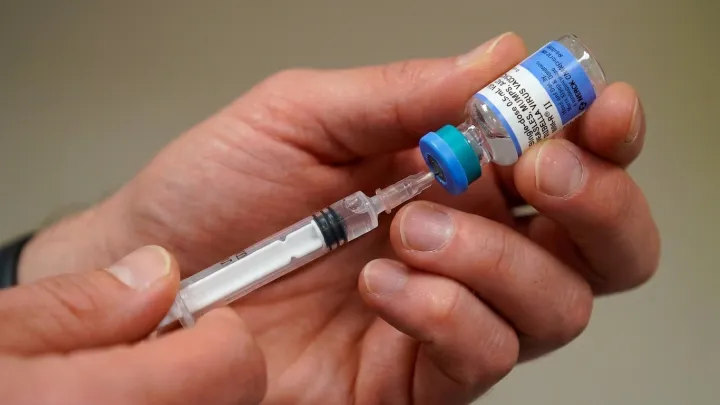
Most exposed, ironically, are those who follow the rules but have no shot at protection. Infants too young for the first measles, mumps and rubella dose, pregnant women advised to avoid live attenuated vaccines, and patients on chemotherapy or high‑dose corticosteroids all rely on others’ immunity, not their own adaptive immune response. When coverage slips even modestly, the virus meets hosts whose T‑cell function or antibody production is impaired by design or disease, and what might have been a minor cluster can escalate into a cascade of secondary infections.
The harsher truth is that measles is not a mild childhood rite of passage; it is a respiratory pathogen with a basic reproduction number that dwarfs many current threats. Its aerosol spread, combined with transient immunosuppression that follows acute infection, sets up a double hit for those already vulnerable, raising risks of pneumonia, encephalitis and pregnancy loss. Utah’s flare‑up, seeded by travel and amplified by undervaccinated pockets, turns every waiting room and daycare into a stress test of collective responsibility, asking whether personal choice will keep outranking the safety of those who never had one.
Loading...

