Mosquitoes May Learn To Seek Deet
2026-05-29
Repellent is not always a deterrent. That is the unsettling claim emerging from new laboratory work on mosquito behavior and learning. In controlled trials, insects exposed to the widely used chemical Deet while gaining access to blood began to orient toward the treated surface, rather than veering away from it as expected.
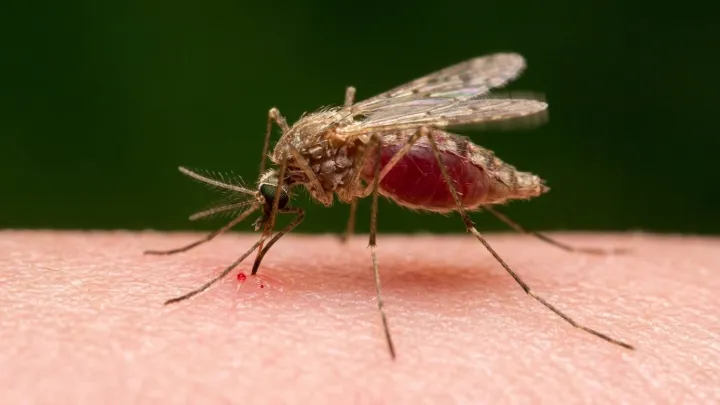
What sounds like a minor quirk is actually a direct challenge to how public health agencies imagine mosquito control works, because the data point toward associative learning embedded in the olfactory system and central nervous circuits. When odor receptors detect Deet at the same time as the sensory cues of a successful blood meal, standard conditioning pathways, including synaptic plasticity in key brain regions, appear to store that pairing and later drive approach behavior.
The unsettling part is simple. Repellent has long been treated as a purely chemical shield, effective as long as it masks carbon dioxide or disrupts host-seeking. This study instead frames the interaction as a moving target, in which repeated exposure under field conditions could gradually select mosquitoes that either learn the association faster or carry genetic variants making avoidance weaker. That prospect complicates vector control strategies that lean heavily on personal topical products and forces researchers to weigh how repellent formulations, dosing patterns and contact frequency might shape insect behavior over many generations.
Loading...

