Blood Tests Added To Colon Cancer Screening
2026-05-29
Rising colorectal tumors in people not yet middle‑aged now look less like a statistical quirk and more like a warning flare. In response, the American Cancer Society has added blood‑based screening assays to its guideline toolbox, acknowledging that many patients avoid colonoscopy and stool tests despite long‑standing evidence that early detection cuts mortality.
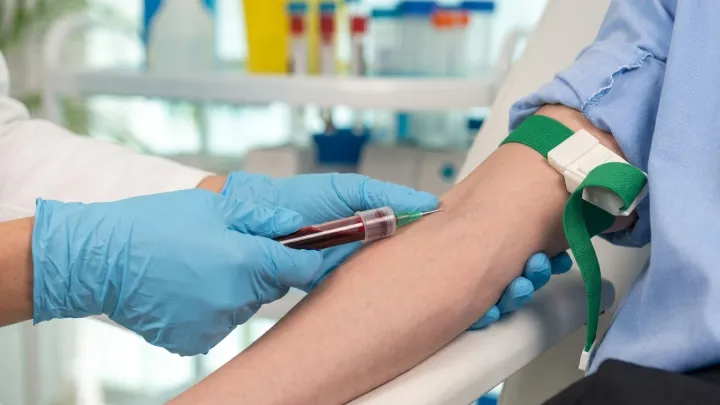
The new guidance signals opportunity but not equality. Blood tests, which detect tumor‑derived DNA fragments and related biomarkers in peripheral blood, are allowed only for average‑risk adults who refuse other options, and their sensitivity for advanced adenomas still lags behind colonoscopy and high‑quality fecal immunochemical testing. Colonoscopy remains the reference standard because it visualizes the entire colon, permits immediate polypectomy, and directly interrupts the adenoma‑carcinoma sequence rather than simply flagging established disease.
The uneasy message is that convenience has limits. A single venous draw may expand uptake among younger adults who lack symptoms and regular primary care, yet guideline authors stress that negative blood results do not erase the need for follow‑up endoscopy when warning signs or positive stool tests appear. For a generation facing rising incidence but limited time and attention, the real contest is not between tests, but between any screening at all and none.
Loading...

