Rare Lyme Strain Surfaces In New York
2026-06-05
Detection, not speculation, is what shifts the Lyme debate in New York. A rare strain of Borrelia, previously confirmed only in upper Midwest patients, has now been identified in a New York resident’s blood sample through polymerase chain reaction testing and genetic sequencing, confirming that the pathogen’s range is no longer confined to its earlier stronghold.
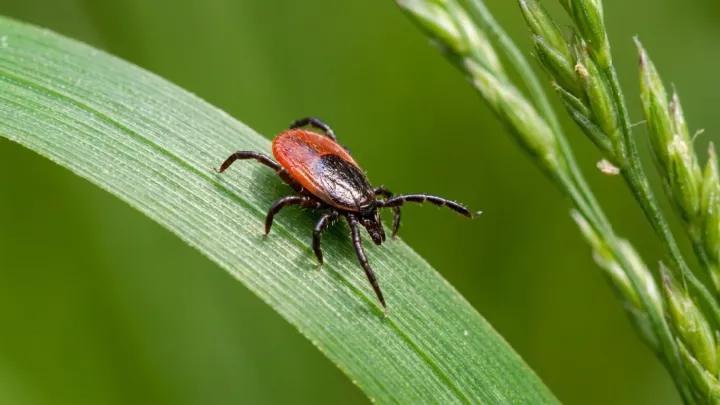
The unsettling part is that this variant, classified as Borrelia mayonii, has been associated with higher levels of bacteremia and more intense systemic symptoms than the better known Borrelia burgdorferi, including dense spirochetemia, prominent nausea, and neurologic complaints that complicate clinical assessment. That profile matters, because standard serologic assays were designed around the older strain’s antigenic patterns, raising the risk of delayed diagnosis when clinicians assume they are facing a routine case.
Public health strategy, not individual anxiety, now becomes the central question. Surveillance teams must decide whether to leverage existing tick-dragging programs or build a closed-loop monitoring system that links entomologic sampling, electronic health records, and reference laboratory sequencing. For New York’s crowded suburbs and exurban trails, the appearance of an upper Midwest pathogen inside local blacklegged ticks would narrow the margin for error in counseling outdoor workers, hikers, and children who already live in a near zero-sum contest with the ecology of tick-borne disease.
Loading...

