The Thumb Test That Hints At Aortic Risk
2026-06-07
A flat palm can raise a quiet alarm long before any chest pain. Place the hand flat, then sweep the thumb across; if the tip crosses beyond the opposite edge of the palm, some cardiac specialists see a possible warning sign for an aortic aneurysm. The idea is blunt. An unusually flexible thumb may mirror unusually stretchy connective tissue in the wall of the ascending aorta, where silent dilatation can precede a catastrophic tear.
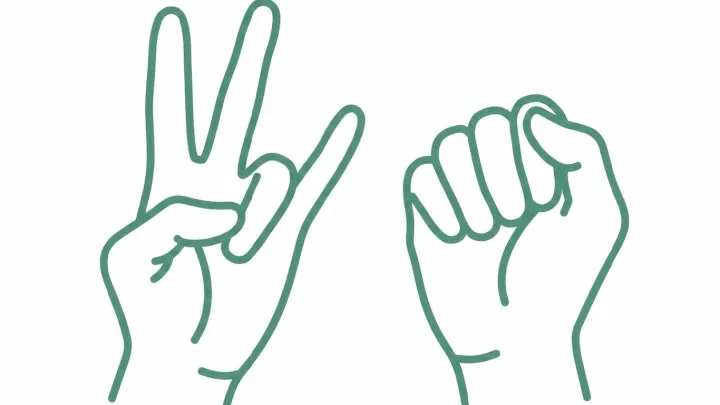
This thumb test is tempting, almost seductively simple, yet it remains a crude screen, not a diagnostic instrument. Vascular surgeons stress that a positive result does not mean disease, and a negative one does not guarantee safety, because aneurysm risk also rests on hypertension, smoking history, lipid profile, and family patterns of thoracic aortic dissection. The test hovers in that grey zone of bedside clues, sitting beside the stethoscope and tape measure rather than replacing echocardiography or CT angiography, which directly visualize aortic diameter and wall morphology.
Its real value, some argue, lies in starting a conversation that medicine often postpones. When a thumb slides past the palm, the next step should be reasoned, not panicked; clinicians may review blood pressure, consider genetic syndromes affecting fibrillin or collagen, and decide whether imaging or cardiology referral is justified. One small gesture, then, can become an entry point into a deeper audit of vascular health.
Loading...

