GLP-1 Drugs Between Hype and Harm
2026-06-08
A slim injection pen now carries more cultural weight than many diet books. Inside that discreet device, GLP-1 receptor agonists slow gastric emptying and modulate insulin secretion, turning basic endocrinology into a mass-market product for obesity and type 2 diabetes. Weight reductions of around fifteen percent, along with lower cardiovascular event rates, have pushed these molecules from specialist clinics into mainstream conversation and celebrity bathrooms.
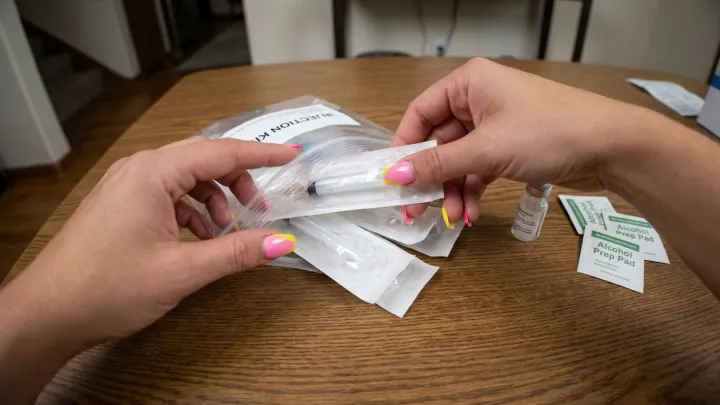
The hard truth is that this chemistry behaves less like a cure and more like a subscription. Stop the drug, and many patients regain weight as appetite signaling in the hypothalamus reasserts itself, underscoring that adipose tissue biology has not been rewritten, only suppressed. Nausea, vomiting, pancreatitis, gallbladder disease and reports of potential gastroparesis remind clinicians that glucagon-like peptide pathways touch multiple organ systems, not just glucose homeostasis.
Equally unsettling is the social arithmetic. High list prices and intermittent shortages mean affluent consumers often leverage GLP-1 drugs for cosmetic slimming while people with uncontrolled diabetes face delays or switches. That imbalance exposes health systems that treat metabolic disease as an individual failure yet are willing to medicalize appetite at scale, so long as someone can pay.
Loading...

