Ebola medics left exposed in eastern Congo
2026-06-10
Scarcity, not the virus itself, now sets the rules inside many Ebola wards in eastern Democratic Republic of Congo, where gloves arrive late, boots are shared and masks are counted one by one by exhausted logisticians.
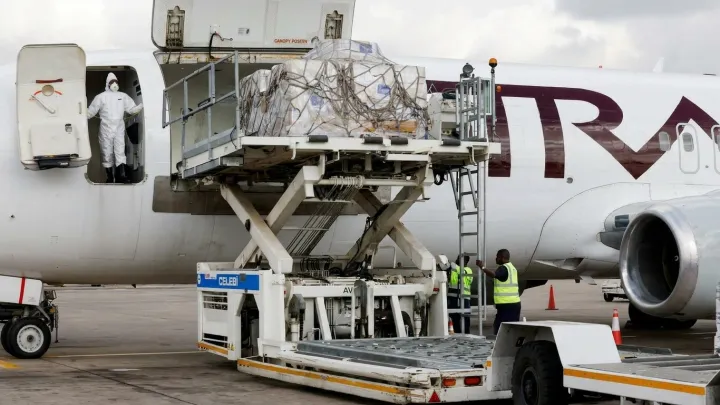
This exposure is not an accident; it is the predictable result of a fragile supply chain colliding with a high‑risk pathogen that spreads through blood and other body fluids. Doctors and nurses describe reusing gowns, improvising eye protection and working without full personal protective equipment, even as infection‑prevention protocols demand impermeable suits, N95‑class respirators and strict donning and doffing procedures. Several facilities report delays in deliveries from central warehouses, gaps in cold‑chain capacity and confusion over which agency is responsible for replenishing stock when wards suddenly expand.
The real scandal is that the world has rehearsed this emergency before. After earlier Ebola crises, donors promised resilient procurement systems, better triage and consistent supplies of disinfectant, chlorine solution and medical‑grade gloves. Yet in many clinics, staff still bleach and reuse items meant to be disposable, increasing the risk of nosocomial transmission and undermining contact‑tracing efforts that depend on trust. Some humanitarian teams warn that if health workers continue to operate half‑protected, every shift in these wards becomes a potential amplification event, not a firebreak.
Loading...

