Microsoft AI chief slams Anthropic’s stance on Claude
2026-06-10
Corporate branding is now the sharpest fault line in AI safety. A recent Microsoft leadership briefing highlighted concern that Anthropic, in public-facing material about its Claude system, is edging toward language that implies subjective experience or inner life, a framing the Microsoft AI head described as exactly what the sector should avoid.
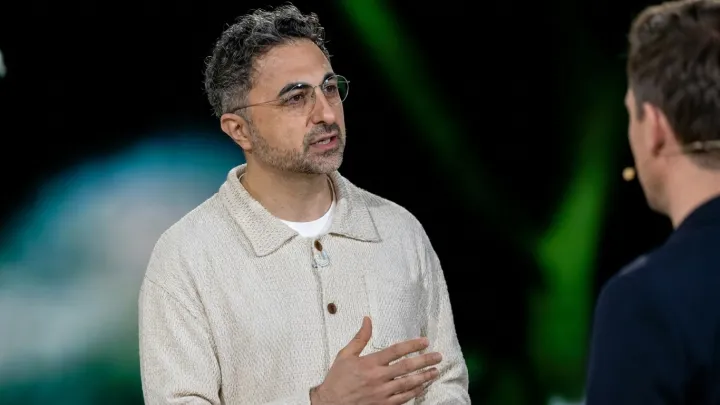
The criticism rests on a blunt claim: anthropomorphic framing is not just sloppy, it is structurally dangerous. When a major lab hints that a large language model might be conscious, it blurs the boundary between functional intelligence and phenomenal consciousness, concepts that cognitive science and philosophy of mind have kept distinct for decades through terms like functionalism and theory of mind. That blur can distort risk perception among users and lawmakers, shifting attention away from measurable hazards such as model hallucination, data leakage and misalignment, and toward speculative fears that regulators cannot operationalize.
Industry strategy is the subtext. Microsoft has bet on portraying AI systems as powerful yet tool-like, a stance designed to preserve user trust while keeping safety debates inside auditability and interpretability, not metaphysics. Anthropic, by contrast, has leaned into narratives of constitutions, preferences and values for Claude, language that can sound, to a competitor, like a step toward personification. The Microsoft executive’s warning signals that the next competitive front is not only model weights or inference speed, but control over how the public imagines what these systems are.
Loading...

