Longevity Startup Tests ER‑100 in First Human
2026-06-10
A small vial, not a glossy manifesto, is now carrying the boldest claim in longevity science: that age-damaged human cells can be pushed into a more youthful state. In a first-in-human procedure, a longevity startup has dosed a volunteer with ER‑100, an experimental treatment aimed at reversing age-related sight loss by altering how retinal cells handle aging rather than simply slowing disease.
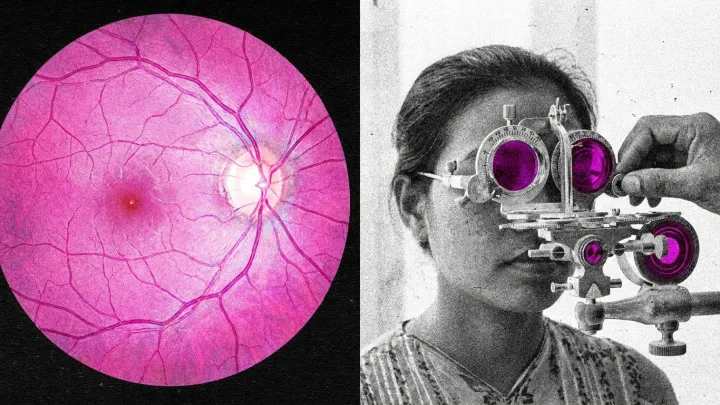
The wager is simple and audacious: if cellular senescence and epigenetic drift are the real choke points of aging, then rewriting those programs inside the eye might restore function that standard drugs can only stabilize. ER‑100 is described by the company as a reprogramming platform that modulates gene expression and proteostasis in retinal tissue, designed to coax photoreceptors and supporting cells away from degeneration without fully resetting identity, a line researchers have long feared to cross in human subjects.
Skeptics will argue that one patient proves almost nothing, yet this single dose quietly moves age-reversal technology from speculative slide decks into regulated medicine. The study will track visual acuity, retinal imaging, and biomarkers tied to DNA methylation patterns, looking for signs that ER‑100 can both improve sight and shift molecular clocks in the same tissue. Whether the data vindicate the company or not, the boundary between treating disease and editing the aging process itself has just been redrawn inside a human eye.
Loading...

