Which MacBook Actually Lasts Longer
2026-06-14
Battery chemistry, not branding, decides most MacBook lifespans. That runs against the instinct to assume the Pro is automatically tougher, yet both lines share similar lithium‑polymer cells, comparable cycle ratings and the same macOS power management stack, so their baseline endurance window is broadly aligned.
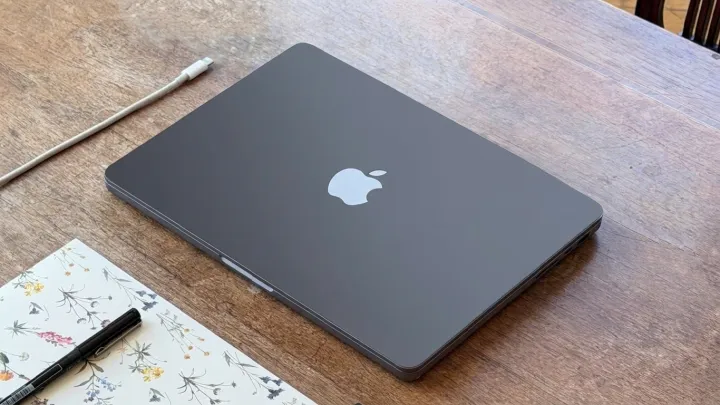
Thermal headroom does tilt the odds. The MacBook Pro carries larger heat spreaders and more aggressive active cooling, which lets Apple silicon chips sustain performance without prolonged thermal throttling, reducing repeated exposure to high junction temperatures that accelerate transistor aging and solder fatigue. The Air runs fanless, relies on passive dissipation and can sit nearer its thermal envelope during heavy workloads, which can, under constant stress, shorten component reliability and degrade performance stability over time.
Care habits erase or amplify those design differences. Keeping charge levels between moderate bounds, limiting constant high‑wattage fast charging and avoiding chronic high ambient heat slows down electrolyte breakdown and preserves battery capacity on both machines. Routine dust removal around vents on the Pro and avoiding soft surfaces that block convection under the Air help the voltage regulators and power delivery circuitry stay cooler. For users with light browsing and office tasks, either model can remain viable for many operating system cycles; for sustained media production, the Pro’s thermal margin simply gives it a better shot at feeling “fresh” for longer.
Loading...

