Fitbit Air review: almost invisible but truly persuasive
2026-06-14
Fitbit Air does something most wearables fail to do. It disappears. A pebble of matte plastic sits under a thin band, no glow, no icons, just a pulse motor and a cluster of sensors wired into your wrist.
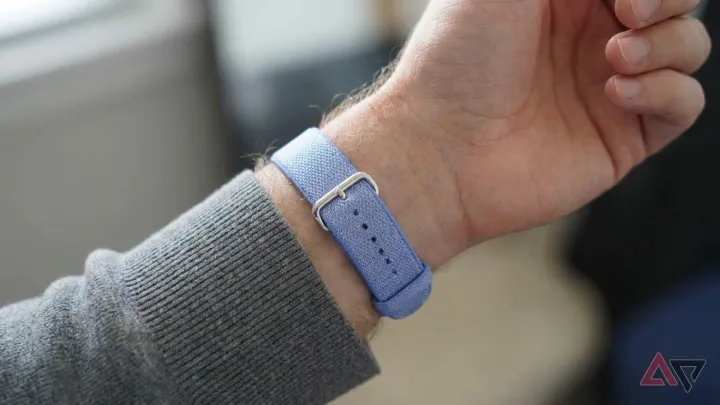
I went in assuming a tracker without a display would feel like a downgrade, yet the opposite happened once the software leaned on on-device machine learning and cloud inference to run the show. Step counts, heart rate variability and skin temperature feed a continuous model, which then pushes insights as short taps, voice prompts through a paired phone and context-aware nudges that feel more like coaching than notifications.
The real shift is philosophical. Wearables have acted like tiny phones, but Fitbit Air behaves more like a background process in an operating system, quietly reallocating resources, only here the resources are your sleep cycles and autonomic nervous system responses. Instead of swiping through tiny charts, you get a haptic pattern during a stressful meeting, or a spoken suggestion to switch to zone-two effort halfway through a run.
Skeptics will say losing a display strips away control, yet the control simply migrates to algorithms trained on your own biometrics. Optical photoplethysmography, accelerometer fusion and continuous SpO2 sampling give the AI more raw material than any casual glance at a wrist ever did. By the time I finished the trial, I rarely missed the screen; I mostly noticed how quiet my day felt.
Loading...

